🧠 The Underrated Secret to Strength, Speed & Longevity
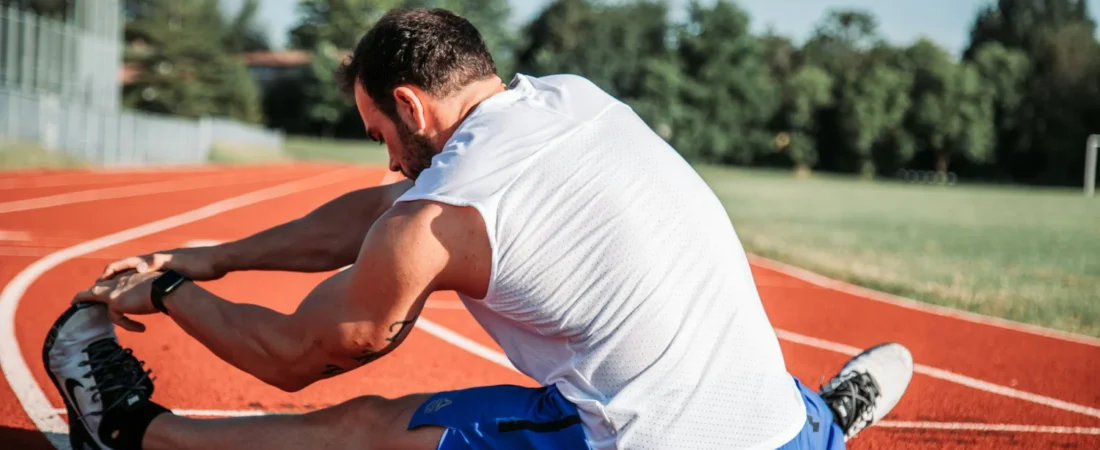
You can train harder, eat cleaner, and track every metric — but here’s the truth: you don’t get stronger during the workout; you get stronger while recovering from it.
The world’s top athletes, entrepreneurs, and longevity enthusiasts all share this philosophy. For biohackers, recovery isn’t an afterthought — it’s the engine of progress.
Super-compensation is the process where a training stress is followed by recovery and adaptation — allowing your body to exceed its previous level of performance.
🧩 1. The Foundational Concept: Super-compensation
Every great training program follows this simple cycle:
Stress → Recovery → Adaptation.
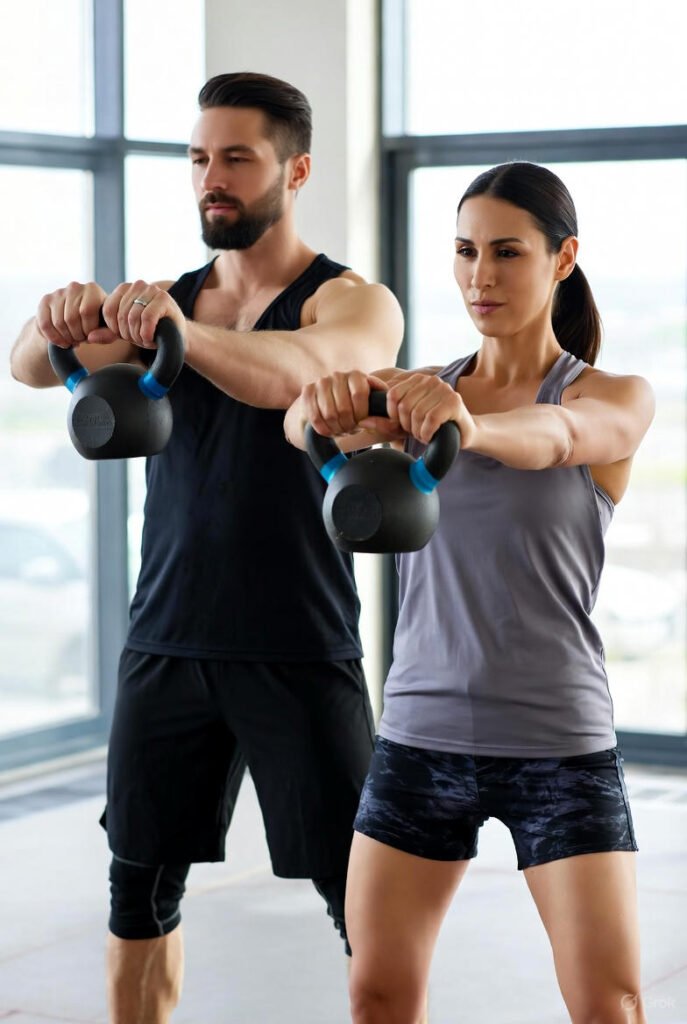
- Stress: Workouts create micro-damage in muscle fibers and tax your nervous system.
- Recovery: The body restores balance, repairs tissue, and refuels glycogen.
- Adaptation: You emerge stronger, faster, and more resilient.
📈 The Biohacker’s Edge
Most people chase stress — more volume, more intensity — but elite performers focus on engineering recovery to accelerate adaptation.
Studies show that planned recovery phases enhance muscle growth and athletic performance by optimizing the body’s adaptive response.
Physiological basis of adaptation through super‑compensation for better sporting result (Mukhopadhyay K., 2021) – Advances in Health and Exercise, Vol. 1(2).
👉 Read the full text →
Education of Healthy Training Throughout the Supercompensation Phenomenon (Szczepanowska E., 2019) – Austin Sports Medicine, Vol. 4(1).
👉 Read the full text →
You don’t get fitter during the workout — you get fitter while recovering.
🔬 2. The Science of Recovery: What’s Really Happening Inside Your Body
🧱 Muscle Protein Synthesis (MPS)
Resistance training stimulates MPS, repairing micro-tears and building stronger muscle fibers. MPS rates remain elevated up to 24–48 hours post-workout.
Nutritional regulation of muscle protein synthesis with resistance exercise
👉 Read here →
Summary: States that resistance exercise “…stimulates a prolonged elevation of muscle protein synthesis (MPS) that can remain elevated for 24 hours.
A review of resistance training-induced changes in skeletal muscle protein synthesis and their contribution to hypertrophy
👉 Read here →
Summary: Review article summarising how resistance training acutely stimulates MPS and how duration of elevation varies depending on training status.
🔥 Managing Inflammation
The body’s inflammatory response is essential for healing, but excessive inflammation delays recovery. Controlled exposure to heat, cold, or red light can modulate inflammation markers. “PBMT (Photobiomodulation Therapy) The scientific mechanism behind red light therapy, where light energy is converted into cellular energy.” “CWI (Cold-Water Immersion) is the scientific term for using ice baths or cold plunges to accelerate recovery and build resilience a protocol that leverages cold exposure to trigger anti-inflammatory and hormonal responses.”
Post‑exercise Cold Water Immersion Effects on Physiological Responses and Recovery — A study revealing that cold-water immersion (CWI) after exercise influences markers of muscle damage, inflammation, and recovery of function. frontiersin.org+1
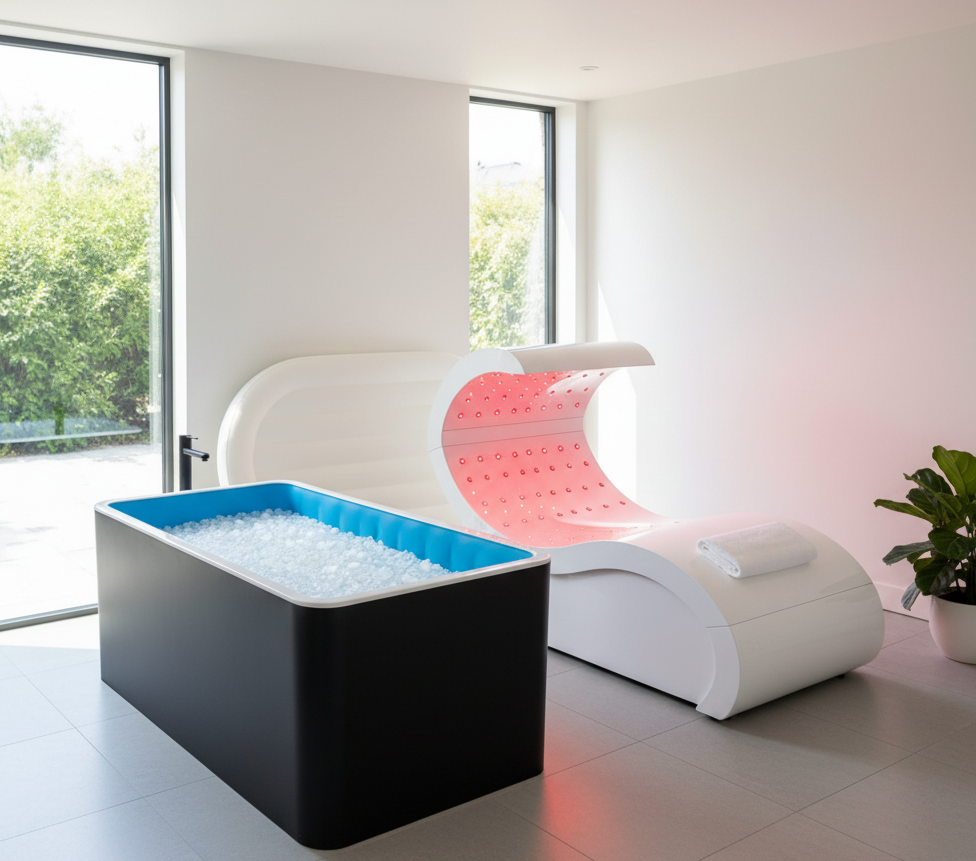
“Photobiomodulation (PBMT)” is the scientific and clinical term. “Red Light Therapy (RLT)” is the common, popular, or marketing term.
Think of it like the difference between the scientific name “Acetaminophen” and the brand name “Tylenol.” They both describe the same active thing.
- Photobiomodulation (PBMT): This is the precise, technical term you will see in all the scientific studies (like the ones I just sent you).
- Photo = Light
- Bio = Life / Living Tissue
- Modulation = To change or regulate
- So, PBMT literally means “using light to change or regulate a biological process.”
- Red Light Therapy (RLT): This is the common name used by the public, media, and brands.
The Most Important “Difference”
The only real “difference” is that the term PBMT is more accurate because the therapy almost always includes two types of light:
- Red Light (Visible): These are the red lights you can see (typically 630-660nm). This light is great for skin health, hair regrowth, and more superficial tissues.
- Near-Infrared (NIR) Light (Invisible): These are the lights you cannot see (typically 810-850nm). This invisible light penetrates much deeper, which is what allows it to reach muscles, joints, and bones to reduce inflammation and speed up recovery.
When you buy a “Red Light Therapy” panel for muscle recovery, you are actually buying a PBMT device that uses both red and near-infrared light to get the best results. This review paper is a great summary of how PBM works on muscle tissue. It explains the effects on mitochondrial activity, the prevention of muscle damage, and the stimulation of defenses against oxidative stress. 👉Read the Study
🧘 Nervous System Reset
High-intensity training activates the sympathetic (“fight or flight”) nervous system. True recovery happens in the parasympathetic (“rest and digest”) state. Slow breathing and sauna sessions increase parasympathetic activity and heart rate variability (HRV)
The Cleveland Clinic describes the parasympathetic nervous system’s job as “to relax or reduce your body’s activities” and notes it “helps to control your body’s response during times of rest.” Another article states that “Increased parasympathetic activity signifies a recovered state.”Parasympathetic Nervous System (PSNS)
Modulation of Parasympathetic Reactivation Post-Exercise via Slow Breathing
A 2023 article in the journal Scientific Reports (published on nature.com) confirms this. It states that slow-paced breathing is “particularly effective in promoting parasympathetic activity and increasing heart rate variability (HRV).” A separate study found that just six weeks of slow, controlled breathing exercises “could be used to improve parasympathetic activity.”The Science Behind Breathwork and Stress Reduction (This is a news summary of a meta-analysis)The effects of six-week slow, controlled breathing exercises on heart rate variability… (Direct PDF download of a study)
A study published on ResearchGate titled “Recovery from sauna bathing favorably modulates cardiac autonomic nervous system” found exactly this. It notes that while the sauna itself is a stressor, “the cooling down period after sauna… increased high frequency power in HRV… favorably modulating the autonomic nervous system balance.” It concludes that “HRV increased which indicates the dominant role of parasympathetic activity.”Recovery from sauna bathing favorably modulates cardiac autonomic nervous system
🧬 Hormone Optimization
Deep sleep and recovery promote surges in growth hormone and testosterone it is critical for tissue repair, recovery and longevity.
The vast majority of the body’s daily growth hormone secretion occurs during the first few hours of sleep, specifically during Stage 3 (NREM) slow-wave sleep, also known as deep sleep.
A foundational paper in the Journal of Clinical Investigation (via the National Institutes of Health) details this. It states, “A surge of GH secretion invariably occurred shortly after the onset of sleep… The sleep-associated secretory episode… was found to be temporally related to the first phase of slow-wave sleep (SWS), stages 3 and 4.”Sleep-related growth hormone release (Journal of Clinical Investigation / NIH)
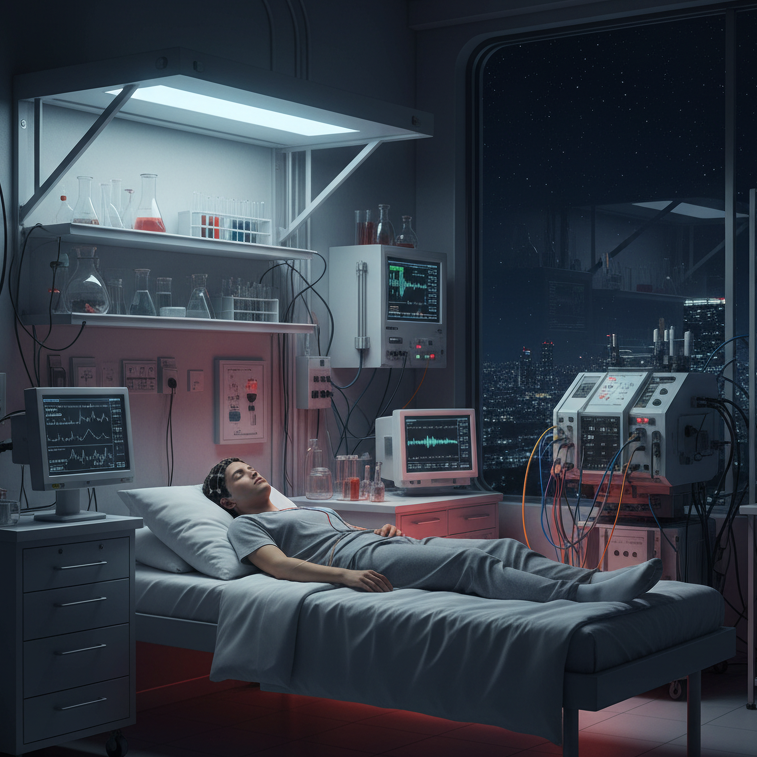
A key study from the University of Chicago, published in the Journal of the American Medical Association (JAMA), investigated the effect of sleep restriction on testosterone in healthy young men. They found that just one week of sleeping 5 hours per night “decreased daytime testosterone levels by 10% to 15%.”Effect of 1 Week of Sleep Restriction on Testosterone Levels in Young Healthy Men (JAMA / NIH)
Growth Hormone & Repair: GH stimulates protein synthesis and cellular regeneration. An article from NIH explains that GH is “essential for tissue repair,” “plays a major role in the regulation of protein, lipid, and carbohydrate metabolism,” and is vital for maintaining muscle mass and bone density.
Testosterone & Repair: Testosterone is the primary male androgenic hormone and is also critical for anabolism, specifically in signaling for muscle protein synthesis to repair micro-tears from exercise. This review details how testosterone, released in response to resistance exercise, interacts with androgen receptors in muscle cells. This interaction is a key signal that “stimulates muscle protein synthesis,” leading to the repair of damaged tissue and, ultimately, muscle hypertrophy (growth). 👉Read the Study.
⚙️ 3. The Performance & Recovery Toolkit
📊 A. Measurement & Data — What Gets Measured, Gets Managed
Key Metrics
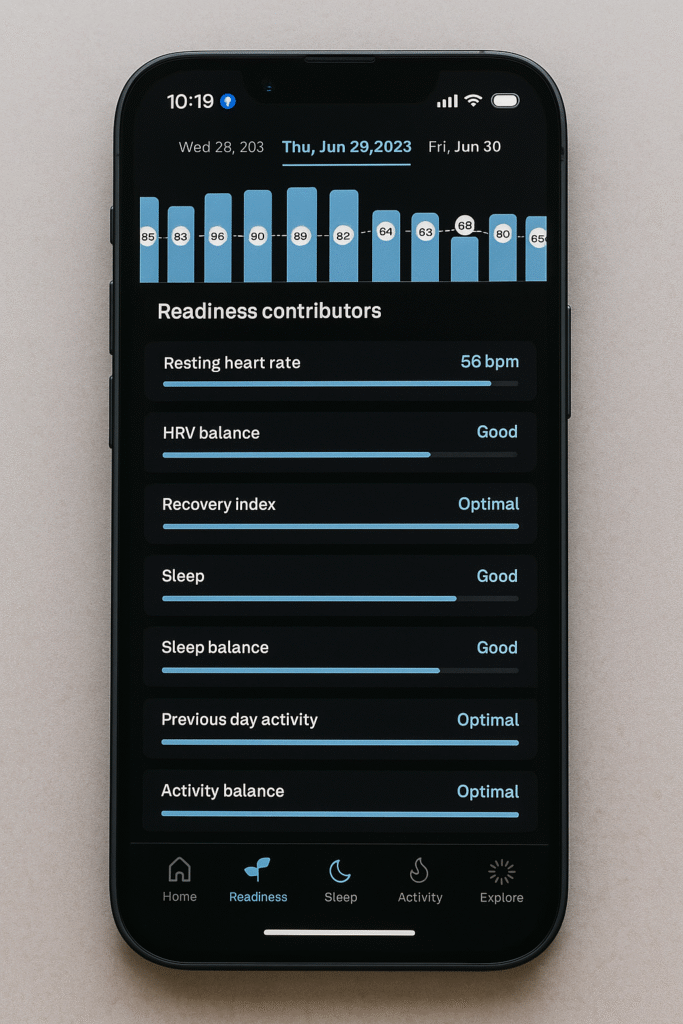
- Heart Rate Variability (HRV): The gold standard for recovery readiness. Higher HRV indicates better autonomic balance and resilience NIH
- Resting Heart Rate (RHR): Elevated RHR may signal overtraining or illness.
- Sleep Quality & Quantity: Non-negotiable for adaptation.
How to Use the Data
If your HRV drops and RHR spikes, it’s time to deload. Swap high-intensity training for mobility, stretching, or zone-2 cardio.
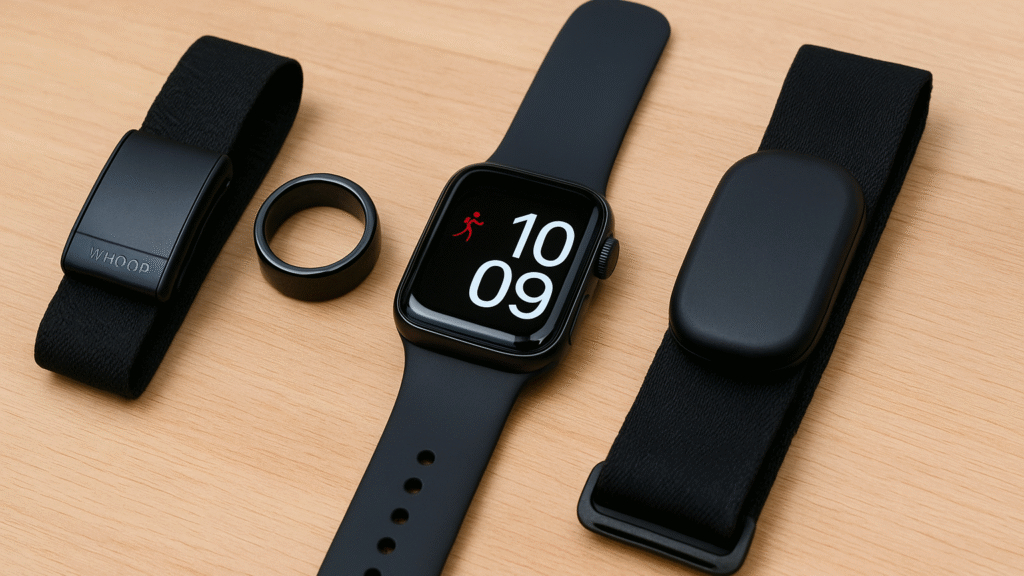
Popular tracking devices — like the Oura Ring and WHOOP Strap — make it easy to monitor HRV, recovery, and readiness trends. (Best Health Trackers)
❄️ B. Recovery Acceleration Techniques
Cold Exposure (Cryotherapy)
Cold exposure has been used for decades to reduce soreness and perceived fatigue by constricting blood vessels and modulating inflammation. This has traditionally been facilitated by plunging into ice cold bodies of water or by filling up a bathtub with ice and water. Nowadays modern cold plunge machines are able to dial in the exact temperature that will benefit you the most and stay at a constant temperature, unlike a old school barrel of ice. Some research suggests cold therapy immediately post-workout may reduce hypertrophy, so timing matters .
If your goal is maximum muscle growth (Hypertrophy): You should avoid cold exposure for at least 4-6 hours after your strength-training workout. This allows the natural anabolic signaling process to take place.
If your goal is rapid recovery (for competition or a second workout the same day): Use cold water immersion. It’s highly effective for reducing soreness and perceived fatigue, which can get you ready to perform again. This is why you see tournament athletes or CrossFit competitors use it between events, where immediate recovery is more important than long-term adaptation. https://www.ncbi.nlm.nih.gov/pmc/articles/PMC11235606/
Heat Exposure (Thermotherapy)
Sauna is another health hack with decades of data it boosts blood flow, promotes heat-shock proteins (which support cellular repair), and aids recovery. Frequent sauna use is linked to reduced cardiovascular and all-cause mortality A study out of Finland found that men who used the Sauna 4-7 times per week had 63% lower risk of sudden cardiac death (Finish Study)
A review titled “Heat Shock Proteins & Saunas” explains this clearly. It states that HSPs “protect and repair damaged cells,” “speed repair after workouts,” and that regular sauna use is one of the most effective ways to activate them.Heat Shock Proteins & Saunas: What They Mean for Your Health
Contrast Therapy (Hot + Cold)
Alternating temperatures enhance circulation and speed metabolic waste removal — the “vascular pump” effect. Contrast therapy leverages rapid, alternating changes in temperature to force blood vessels to quickly constrict (vasoconstriction) and then widen (vasodilation). This “vascular pump” effect increases blood flow and lymphatic drainage, which helps flush metabolic waste and deliver oxygen-rich blood to tissues, accelerating the recovery process. Mechanisms and Efficacy of Contrast Therapy for Musculoskeletal Painful Disease. (NIH Review)
Compression Therapy
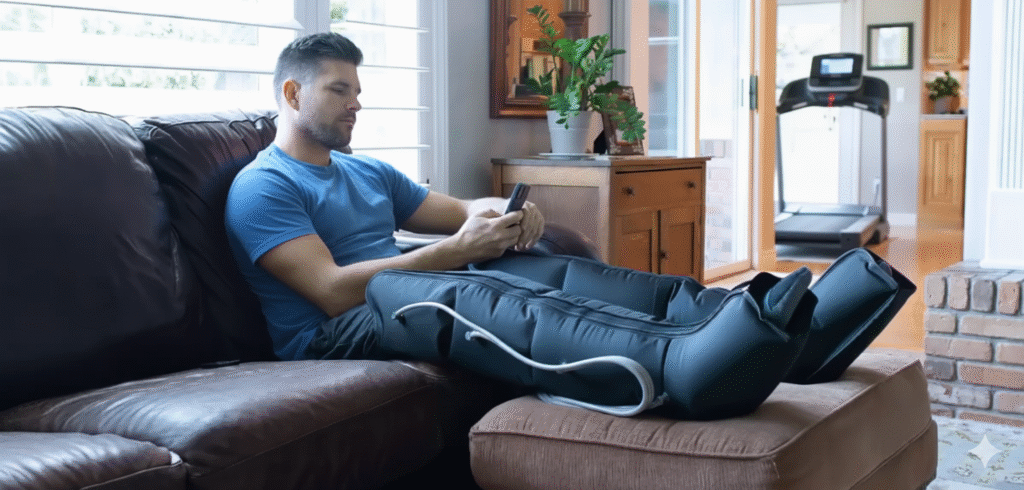
Compression therapy is a medical treatment that uses controlled pressure to improve blood and lymph flow, reduce swelling, and help with the healing of various conditions. It is applied through garments like socks, sleeves, or bandages, or with pneumatic devices that inflate and deflate. This therapy can treat conditions like chronic venous disease, venous leg ulcers, and lymphedema, and it’s also used to aid muscle recovery for athletes. Its also useful for venous return and lymphatic drainage, reducing swelling and soreness. These articles from the Cleveland Clinic provides an overview of what compression therapy is, how it works to improve blood and lymph flow, and the conditions it’s prescribed for, such as chronic venous insufficiency and lymphedema. Cleveland Clinic articles.
Mobility & Stretching
Another well studied tool in the performance and recovery space is stretching. As we get older stretching before and after workouts is essential to prevent injury. There are many stretching apps that can give you a solid structure and protect yourself from injury. Stretching apps are an excellent way to maintain the consistency. Dynamic stretches before exercise enhance performance, while static stretching or foam rolling afterward helps reduce muscle tension and improve flexibility. Dynamic stretches are for pre-workout. These are active movements that take your muscles and joints through their full range of motion, serving as a “movement rehearsal.” This process increases blood flow, raises core muscle temperature, and activates the nervous system, which has been shown to enhance power, strength, and performance while reducing the risk of injury https://health.clevelandclinic.org/dynamic-stretching-vs-static-stretching
🍽️ C. Nutritional Biohacks for Performance & Repair
The Myth of the 30-Minute “Anabolic Window”
The old idea that you must consume protein within 30 minutes after a workout has been largely disproven. Current research shows that what matters most for muscle repair and growth is your total daily protein intake, evenly distributed across the day.
A large meta-analysis by Brad Schoenfeld et al. found that overall daily protein intake, not narrow timing, was the key driver of muscle hypertrophy and strength gains.
👉 Read the study →
A more recent systematic review confirmed that while post-exercise nutrition helps recovery, the strict “30-minute window” has minimal effect when total protein needs are met.
👉 See the review →
Protein Timing & Types
Post-workout nutrition is about giving your body the right building blocks — not just hitting an arbitrary timer. The best approach depends on your diet, schedule, and digestion.
💪 Whey Protein Isolate
Still the most researched option for post-training recovery. It’s rapidly absorbed and rich in leucine — the amino acid that triggers muscle protein synthesis.
👉 See supporting research
🥛 Casein Protein
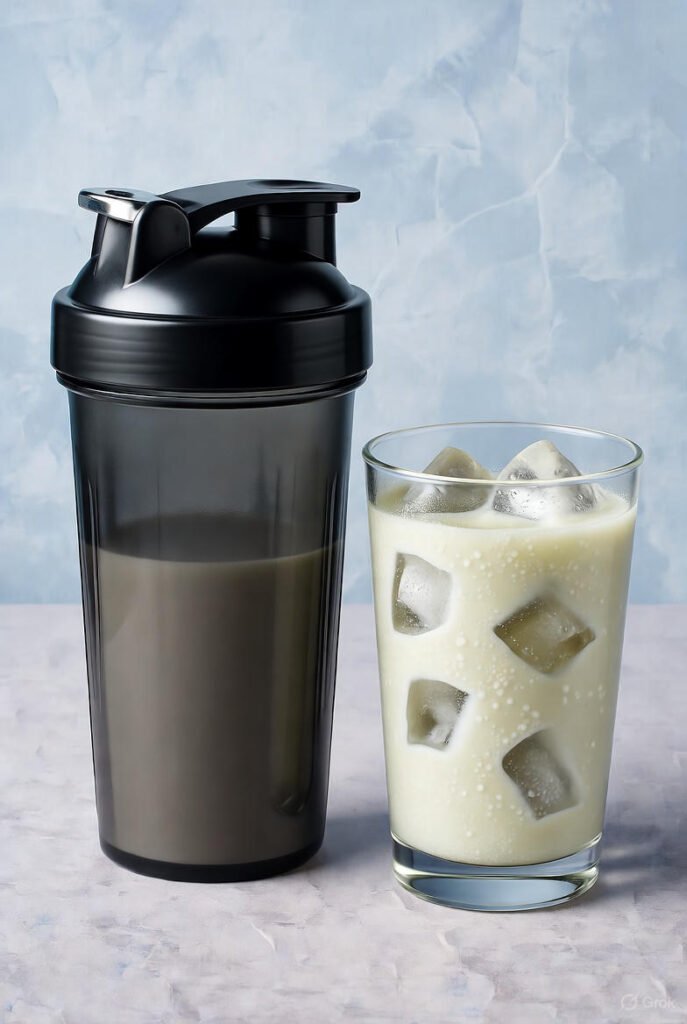
A slow-digesting protein ideal for evening use or between long gaps in meals. Casein provides a steady release of amino acids that support overnight muscle repair and satiety.
👉 Review study
🌱 Plant-Based Proteins (Pea, Rice, Hemp, Soy)
Modern blends can rival whey in amino acid profile when combined properly. Research shows that pea and rice protein taken post-workout can support similar strength and hypertrophy outcomes to whey.
👉 PubMed study
🥣 Whole-Food Options
If shakes don’t fit your lifestyle, focus on real food sources: eggs, lean poultry, fish, Greek yogurt, cottage cheese, tofu, or lentils. The goal is to provide a high-quality protein source every 3–4 hours to keep muscle protein synthesis elevated throughout the day.
👉 Nutritional summary
⚖️ Practical Takeaway
Whether it’s whey, plant, or plate — your body needs regular doses of high-quality protein across the day to recover and grow. Choose what’s sustainable, not just what’s trendy. Aim for 20–40g of high-quality protein every 3–4 hours, hitting roughly 1.6–2.2g per kg body weight per day depending on training load and goals. Focus on consistency over precision timing.
Hydration & Electrolytes
Water is good but electrolytes are optimal for hydration they include sodium, magnesium, and potassium for muscle function (PubMed).
Products like LMNT or Re-Lyte replenish electrolytes without added sugars.
🧾 Compare Protein Options for Recovery & Performance
Choosing the right protein isn’t just about brand — it’s about matching your body’s needs, goals, and digestion. Below are some of the most well known options to explore 👇
| Type | Best For | Highlights | Example Product |
|---|---|---|---|
| Whey Isolate | Rapid muscle recovery post-training | High leucine content, fast digestion, great for strength athletes | View Whey Options → |
| Casein Protein | Overnight recovery & sustained satiety | Slow-release amino acids, ideal before bed | Compare Casein Blends → |
| Vegan / Plant-Based | Dairy-free or gut-friendly diets | Pea + rice combo mimics whey’s amino acid profile | See Vegan Proteins → |
| Collagen Peptides | Joint & connective tissue repair | Supports skin, joints, and recovery synergy when paired with vitamin C | Explore Collagen Options → |
| Whole-Food Alternatives | Natural eaters or minimal supplement users | Eggs, poultry, lentils, and Greek yogurt provide complete protein | Learn More → |
🔧 4. Tools & Tech to Track, Recover, and Thrive
Gadgets for Measurement
- Oura Ring / WHOOP Strap: HRV, sleep, recovery readiness.
- Levels / Nutrisense CGMs: Continuous glucose tracking for metabolic stability.
- Withings Body Comp / InBody Scales: Measure body composition trends over time.
Gadgets for Active Recovery
- Cold Plunge Tubs: The Plunge, Ice Barrel, Morozko Forge — post-training reset tools.
- Sauna Blankets & Infrared Devices, HigherDOSE, Sun Home Saunas — portable heat therapy with EMF-safe designs.
- Percussion Massagers: Theragun, Hyperice Hypervolt — localized muscle stimulation for recovery.
- Compression Boots: Normatec, Therabody RecoveryAir — used by elite athletes worldwide.
- PEMF Mats, OMI, BEMER — use pulsed electromagnetic fields for improved circulation and potential cellular repair.
🌟 5. How Hollywood & Tech Elites Are Biohacking Recovery
If you’ve noticed that top actors, models, and CEOs seem to defy aging — it’s not luck. Many of them have turned to biohacking and recovery science to sustain performance, slow biological aging, and manage high-pressure lifestyles.
🎬 Hollywood’s Recovery Obsession
In Hollywood, looking great isn’t just about vanity — it’s about career longevity. Long shoot days, travel, and training for physically demanding roles take a serious toll on the body.
That’s why recovery has become a core ritual for many celebrities.
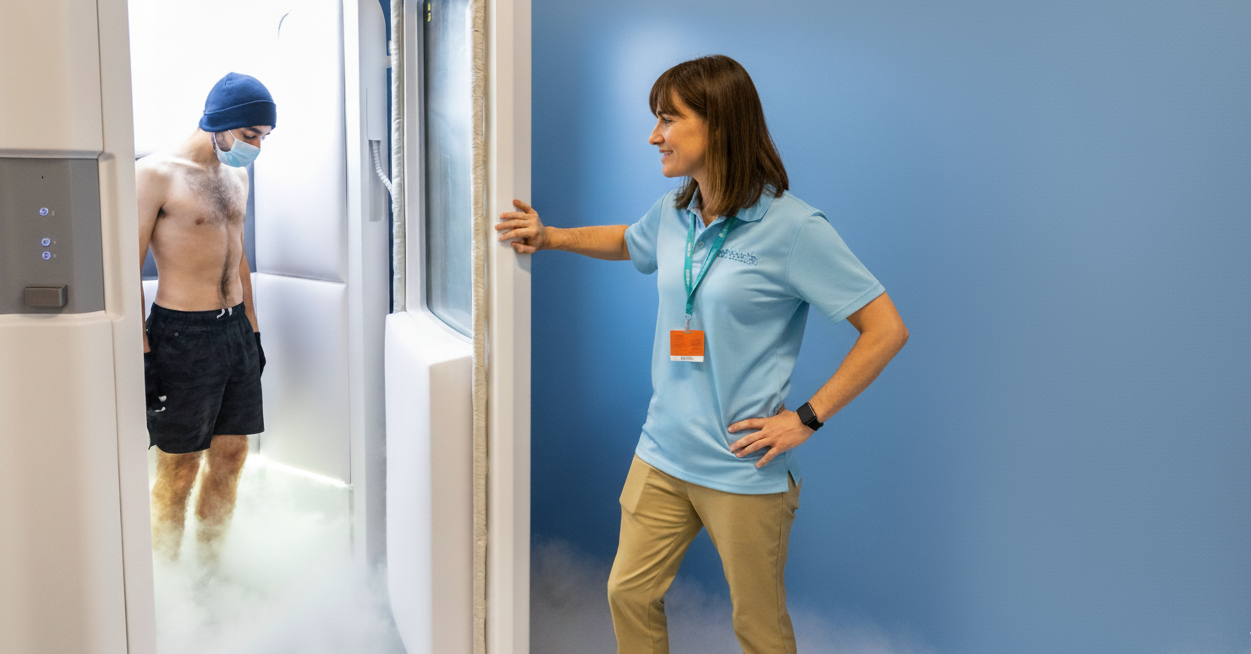
- Cryotherapy is used to reduce inflammation, improve circulation, and boost endorphins — often before red carpet events or after intense workouts. This review from the National Institutes of Health (NIH) explains how whole-body cryotherapy is used to improve recovery from muscle damage and counteract inflammation in athletes. (Study, PubMed).
- Red light therapy helps support collagen production, skin repair, and mitochondrial energy, a favorite among actors seeking to maintain youthful skin. RLT, or photobiomodulation, is known to stimulate fibroblasts, the cells responsible for creating collagen and elastin. This process is what helps reduce fine lines, improve skin texture, and aid in repair. (Study, PubMed). Red light penetrates the skin and is absorbed by the mitochondria (the “powerhouses” of your cells). This stimulates them to produce more ATP (adenosine triphosphate), which is the energy currency for all cellular activity, including repair and rejuvenation. (Study, PubMed)
- Infrared saunas are used for detoxification, relaxation, and cardiovascular conditioning, mimicking moderate exercise benefits. (Cleveland Clinic Review) Infrared heat “promotes cardiovascular conditioning in a manner similar to that of aerobic activity” by increasing heart rate, metabolic rate, and cardiac output. This NIH systematic review supports the “detoxification” claim by confirming that heavy metals like arsenic, cadmium, lead, and mercury are excreted in significant amounts through sweat. (Study, PubMed)
- Hyperbaric oxygen chambers are gaining traction for their reported benefits in tissue repair and reducing long term oxidative stress, via homesis. By breathing 100% oxygen in a pressurized chamber, the blood plasma becomes saturated with oxygen, allowing it to be delivered to damaged tissues, hypoxic (low-oxygen) wounds, and areas with poor circulation. This hyper oxygenation stimulates the growth of new blood vessels (angiogenesis) and supports the body’s natural healing processes. (Mayo Clinic Review) Hyperbaric oxygen and wound healing. Hyperbaric oxygen therapy for healthy aging: From mechanisms to therapeutics (Frontiers Review.)
Celebrities like Tom Brady, Gwyneth Paltrow, Chris Hemsworth, and Jennifer Aniston incorporate these tools into daily or weekly routines often alongside precision nutrition, functional fitness, and sleep tracking with wearables.
In short, Hollywood’s adoption isn’t about quick fixes — it’s about sustaining energy, focus, and appearance under constant public demand.
💻 The Tech CEO Longevity Movement
While Hollywood popularized biohacking visually, Silicon Valley quietly pioneered the data-driven side. The movement grew from a culture obsessed with performance optimization — the same mindset that built billion-dollar tech companies.

Leaders like Dave Asprey (Bulletproof Founder), Bryan Johnson (Project Blueprint), and Ben Greenfield popularized the concept of self-quantification — using biometrics, wearables, and supplements to test what actually enhances longevity.
- Heart Rate Variability (HRV) and sleep tracking became daily metrics for productivity. (Best Sleep Trackers)
- Continuous Glucose Monitors (CGMs) revealed how stress and diet affect energy and focus. (Best CGMs)
- NAD⁺ precursors (like NMN and NR) and mitochondrial boosters entered the mainstream through Silicon Valley’s longevity labs.
- Cold plunges and infrared saunas became office staples in start-up wellness rooms.
This is where the recovery revolution really started — in the tech world’s pursuit of optimizing not just code, but the human operating system itself.
Now, that same philosophy has spread globally, influencing gyms, wellness retreats, and home recovery setups everywhere.
In essence:
- Hollywood adopted recovery tech to look and feel their best.
- Silicon Valley developed it to perform longer, think clearer, and live younger.
- Both groups converge on the same principle: recovery is the new productivity.
🧘 6. Mind & Longevity: The Invisible Performance Factors
Nervous System Regulation
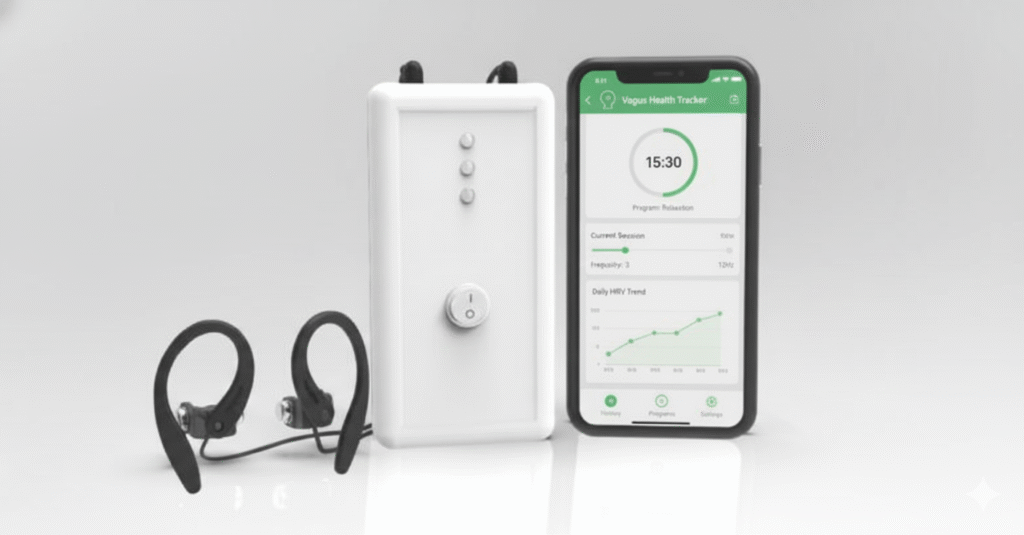
Training your vagus nerve (through humming, deep breathing, or cold exposure) enhances parasympathetic tone and recovery rate. A vagus nerve stimulation (VNS) device is a form of neuromodulation that uses electrical pulses to regulate nerve activity, often described as a “pacemaker for the brain”. Devices exist in two main forms: implantable devices for medical conditions like epilepsy and depression, which are surgically placed and delivered by a doctor; and non-invasive devices like the Vagustim or Sensate, which are used for wellness and stress management through methods like transcutaneous stimulation via ear clips or infrasonic waves applied to the chest.
While vagus nerve stimulators and physical exercises (breathing, humming, cold exposure) are the most direct way to train the vagus nerve, several supplements are well studied for supporting the underlying health of your parasympathetic nervous system and improving HRV. 👉 How to regulate your vagus nerve.
They generally work by reducing inflammation, supporting the gut-brain axis, or providing the raw materials for key neurotransmitters.
Parasympathetic tone and vagal tone are often used interchangeably. The term tone refers to the baseline level of activity of a system, much like muscle tone refers to a muscle’s readiness at rest.
Parasympathetic (or Vagal) Tone is the measure of your body’s ability to successfully run your “rest and digest” system.
Low Vagal Tone (Bad): This means your “fight or flight” system is dominant. Your body struggles to relax after stress, making you more reactive in stressful situations and leading to slower recovery, chronic inflammation, and a low HRV. If you think of your stress levels on a scale of 1 to 10, when you hit 10 you only ever get back to 3 or 4 unless you improve your vagal tone. Improving vagal tone is one of the most effective ways to enhance your parasympathetic (“rest and digest”) system. That ability to return to a true “0” is exactly what recovery is. It’s the signal your body needs to start repairing tissue, improving digestion, and restoring both physical and mental energy. stronger parasympathetic response is directly linked to a better recovery rate both mentally and physically. 👉 What is the parasympathetic nervous system?
High Vagal Tone (Good): This means your vagus nerve is functioning well. Your body is highly responsive and can quickly switch from a “fight or flight” state back to a calm “rest and recover” state. People with high vagal tone have a lower resting heart rate, recover faster from exercise, and have a higher Heart Rate Variability (HRV).
The most common and effective way to measure this is by tracking your Heart Rate Variability (HRV). A higher HRV is a sign of a healthy, dominant parasympathetic system. Best Value HRV Monitors.
Overtraining reduces performance and increases injury risk. Recovery-guided periodization based on HRV prevents burnout and promotes longevity.HRV is a direct, non-invasive measurement of your Autonomic Nervous System (ANS) balance.
- High HRV: Shows your “rest-and-digest” (parasympathetic) system is dominant. Your body is recovered and ready to adapt to a hard training stimulus.
- Low HRV: Shows your “fight-or-flight” (sympathetic) system is dominant. Your body is still under stress (from poor sleep, life stress, or the last workout) and is not ready to adapt. Training hard on this day is what leads to burnout.
By adjusting your training intensity based on your daily HRV score, you ensure that you only apply stress when the body is ready for it. Research has confirmed that this method is superior to traditional, pre-planned programs.
This review adds a crucial layer of detail. It found the real magic of HRV-guided training is that it reduces the number of “non-responders” (people who don’t improve) and prevents “negative responses” (getting worse due to overtraining). Key Finding: The HRV-guided groups achieved their fitness gains with fewer high-intensity training sessions. The main benefit was that the training was more effective at an individual level, with “less likelihood of negative responses.” It helps ensure that every hard workout is actually productive. 👉Read the Study
✅ 7. Key Takeaways
- Recovery is where adaptation and longevity begin.
- HRV, RHR, and sleep are your north stars for training decisions.
- Cold, heat, compression, and red light all accelerate recovery.
- Celebrities and CEOs aren’t chasing luxury — they’re engineering longevity.
- Performance today is health tomorrow — optimize recovery now for decades of vitality.
Phil | Recover Restore
Founder of Recover Restore, a biohacking platform translating science into actionable strategies. Phil explores emerging performance and longevity tech to help readers perform, recover, and age with purpose.
(Educational content only — not medical advice. Always consult a qualified health professional before starting new protocols.)