
Reprogramming the Human Machine
Most people accept low energy, afternoon energy crashes, brain fog, and restless sleep as “normal.” They’re not.
Biohacking is the art and science of optimizing your biology for sharper focus, stronger performance, and greater longevity. It’s where ancient wellness practices meet modern technology turning data into daily upgrades and in turn unlocking your true potential.
What Is Biohacking?
Biohacking means intentionally changing your environment and habits—using science, technology, and data—to gain more control over how your body and mind perform.
A Brief History of Biohacking
Humans have been experimenting with performance and longevity for millennia, from fasting monks to Greek physicians prescribing cold baths.
The modern movement emerged in Silicon Valley in the 2000s, when tech pioneers began tracking every measurable metric—sleep, glucose, heart rate, sleep cycle to see how subtle lifestyle tweaks affected output.
Names like Dave Asprey (Bulletproof Coffee) popularized “self-optimization.” Scientists such as Dr. Peter Attia and Dr. Andrew Huberman grounded it in hard science, focusing on sleep, neurochemistry, and longevity.
Today, biohacking has evolved from a geek subculture into a mainstream approach to personal wellness and human performance. With so many resources on-line now biohacking is becoming more and more popular for good reason. Who doesn’t want to feel better and enjoy life more?

How to Start Biohacking (Without Overwhelm)
Biohacking is self improvement driven by data. Its been around in professional athletes and celebrity circles for decades and is now hitting the mainstream.
1. Track Before You Tweak
Start with the basics: record your sleep hours, energy, and workouts.
When you’re ready for deeper data, wearables such as the Oura Ring or WHOOP Strap can track sleep cycles, recovery, and heart-rate variability (HRV)
2. Optimize the Foundations
- Sleep: Keep a fixed bedtime, darken your room, and limit blue light for at least one hour before bed. If you have to work on a device in the evening consider using blue light blocking glasses, this will help your body to start to produce melatonin, a key hormone for sleep.
- Nutrition: Diet is the number one health hack. Eat whole foods, nothing processed and consider time-restricted eating (for instance, all meals within an 8-hour window). Personally I stop eating around 8pm and my first meal is around 12am.
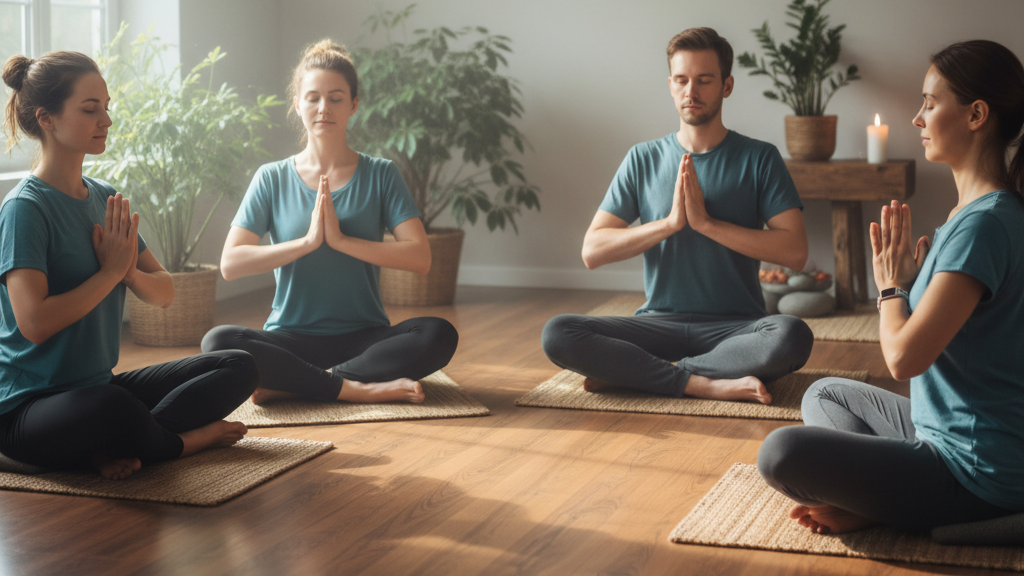
- Movement: Is another absolute cornerstone of reaching your full potential. Combine resistance training, mobility work, stretching and steady-state cardio. For those of us who don’t really like large commercial gyms commerconsider making a small home gym or join a class. Martial arts, yoga or a dance classes. Can not only be tremendously good for your body but the socialisation is also good for your mind. You just need to move your body.
- Stress: Use breathing or mindfulness to reset your nervous system. There are plenty of free and paid options online.
3. Change One Variable at a Time
Adopt one new habit every few weeks and measure its impact. Real biohackers rely on data, not trends.
4. Focus on Consistency, Not Complexity
Simple, repeatable actions yield the biggest gains over time.
Science-Backed Biohacking Protocols That Work
🧠 Brain & Focus Optimization
- Morning sunlight: Expose your eyes to natural light within 60 minutes of waking to set your circadian rhythm.
- Hydration + electrolytes: Dehydration often mimics fatigue! The current guidelines from the u.s national academies is currently 3.7 liters for men and 2.7 liters for women (from all sources including tea, coffee and food). With 2-3 liters for men and 2-2.5 for women coming from only plain drinking water. Water plus electrolytes are definitely recommended for anybody who works out regularly or has a regular sauna routine. For anyone who sweats regularly an extra 1 liter a day should be added to the recommended daily amounts.
- Cold exposure: An ice cold shower or cold plunge triggers dopamine release and enhances resilience. Cold plunge is quickly becoming a biohackers must, there are options in most price ranges. You don’t need a state of the art cold plunge with all the bells and whistles, to get the benefits. A bath tub and some big blocks of ice and you’re good to go.
💤 Sleep Mastery
Quality sleep multiplies every other biohack.
Devices like the Oura Ring and Eight Sleep Pod Cover analyze your sleep stages and temperature patterns to reveal hidden stress or recovery issues.
If possible try to keep your room around 19 °C (67 °F) and completely black the room out.. Track HRV (Heart Rate Variability) and resting heart rate for objective recovery markers.
⚡ Energy & Longevity
- Intermittent fasting promotes cellular cleanup (autophagy).This research summary states that the mechanisms by which intermittent fasting (IF) improves health “involve activation of adaptive cellular stress response signaling pathways that enhance… autophagy.”👉Read the Study
- Zone 2 cardio strengthens mitochondria—the body’s “power plants.”
Supplements: Foundational micronutrients such as Vitamin D3, Omega-3 fatty acids, and Magnesium support metabolism and recovery. Brands like Thorne are known for rigorous ingredient testing. [Thorne Supplements]
🧘 Stress & Recovery
Contrast therapy; alternating heat and cold, builds mental toughness and circulation.
Infrared sauna blankets from companies such as HigherDOSE offer an at-home option for gentle heat therapy and relaxation. Then just fill your bath tub with ice and your good to go! This thermal workout pumps your circulation to speed recovery and reduce pain. It fires up your metabolism, strengthens immunity, and trains your nervous system for ultimate resilience, making you stronger and more resilient. If you have the budget and space for a home sauna and cold plunge this is the perfect combination to kick start your wellness journey.
→ Affiliate link placeholder [HigherDOSE Infrared Blanket]
The Best Biohacking Devices for Everyday Use
1. Sleep & Recovery Trackers
- Oura Ring Gen 3: Measures HRV, body temperature, and sleep depth to help you identify fatigue before it hits.
- WHOOP 4.0: A strap designed for athletes that calculates recovery and daily strain scores.
2. Continuous Glucose Monitors (CGMs)
Services such as Levels and Nutrisense pair sensors with apps, giving real-time insight into how meals affect blood sugar and energy.
→ Affiliate link placeholder [Levels CGM]
3. Red Light Therapy Panels
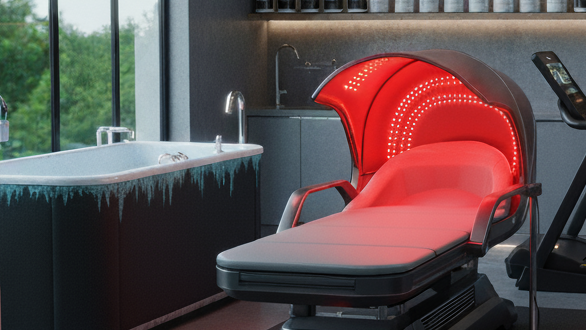
Devices from companies like Joovv use specific wavelengths to stimulate mitochondrial energy, improve skin health, and aid recovery. Most redlight therapy devices will use wavelengths between 600-700nm for superficial skin benefits, reducing wrinkles, scaring and acne. The more expensive devices also combine 700-900nm wavelengths also as this targets deeper tissue muscle, joints and nerves.
[Joovv Red Light Panel]
4. Air & Light Optimization
In the home, people often don’t think about pollutants. Gases released from solid materials or liquids, often called VOCs.
Upholstery and Foam: Treated with flame retardants (PBDEs), which can be released into household dust.
Paints, Varnishes, and Solvents: can release formaldehyde, benzene, and toluene as they dry (a process called “off-gassing”). Low-VOC or Zero-VOC paints are now widely available to minimize this.
Engineered Wood (Particleboard, Plywood, MDF): This is used in most modern furniture (cabinets, shelves, desks) and flooring. The resins and glues used to bind the wood particles often contain formaldehyde, which can be released slowly over years.
Carpets, Rugs, and Adhesives: New carpets and the glues used to install them can release a wide range of VOCs, including styrene and xylene.
Cleaning Products & Air Fresheners: Ammonia, chlorine (bleach), phthalates (in synthetic fragrances), and limonene (from citrus scents) are common. Interestingly, limonene can react with ozone in the air to create secondary pollutants like formaldehyde.
Chemical Pollutants (from building materials and products)
These are gases released from solid materials or liquids, often called VOCs.
- Paints, Varnishes, and Solvents: As you mentioned, these can release formaldehyde, benzene, and toluene as they dry (a process called “off-gassing”). Low-VOC or Zero-VOC paints are now widely available to minimize this.
- Engineered Wood (Particleboard, Plywood, MDF): This is used in most modern furniture (cabinets, shelves, desks) and flooring. The resins and glues used to bind the wood particles often contain formaldehyde, which can be released slowly over years.
- Carpets, Rugs, and Adhesives: New carpets and the glues used to install them can release a wide range of VOCs, including styrene and xylene.
- Cleaning Products & Air Fresheners: Ammonia, chlorine (bleach), phthalates (in synthetic fragrances), and limonene (from citrus scents) are common. Interestingly, limonene can react with ozone in the air to create secondary pollutants like formaldehyde.
- Upholstery and Foam: Treated with flame retardants (PBDEs), which can be released into household dust.
Biological Pollutants (“Bioaerosols”)
These are pollutants that come from living, or once-living, organisms.
- Mold and Mildew: Thrives in damp areas (bathrooms, kitchens, near leaks) and releases spores into the air, which can be allergens or irritants.
- Dust Mites: Microscopic creatures that live in bedding, mattresses, carpets, and upholstered furniture. Their waste products and body parts are a major indoor allergen.
- Pet Dander: Tiny flakes of skin from pets (cats, dogs, birds) that can become airborne and cause allergic reactions.
- Pollen: Can be tracked in from outside on shoes, clothes, or through open windows.
Air purifiers are designed to remove two main types of pollutants: particulate matter and gaseous pollutants. 🌬️ The most critical component is the HEPA filter (High-Efficiency Particulate Air), which traps physical particles like dust, pollen, pet dander, mold spores, and PM2.5 (fine smoke or soot particles).
HEPA filter is certified to remove 99.97% of particles that are 0.3 microns in size. This specific size is the standard because it’s the most difficult to catch. To remove gases, such as VOCs (from paint or new furniture), odors (from cooking or pets), and smoke, purifiers use an activated carbon filter. Some models also include UV-C light to help neutralize airborne viruses and bacteria.
5. Recovery & Mobility Tools
Massage is a great way to recover by stimulating circulation. It reduces muscle tension, lowers blood pressure, decreases stress hormones and increases range of motion. There is nothing better than a two hour sports massage but often time restraints and the cost often deter people. At- home massage devices can be purchased for a one time cost (e.g., Theragun) and compression boots (e.g., NormaTec) these enhance circulation after training and are staples in both professional sports and physical therapy.
Emerging & Experimental Frontiers
These areas show promise but still need large-scale human research:
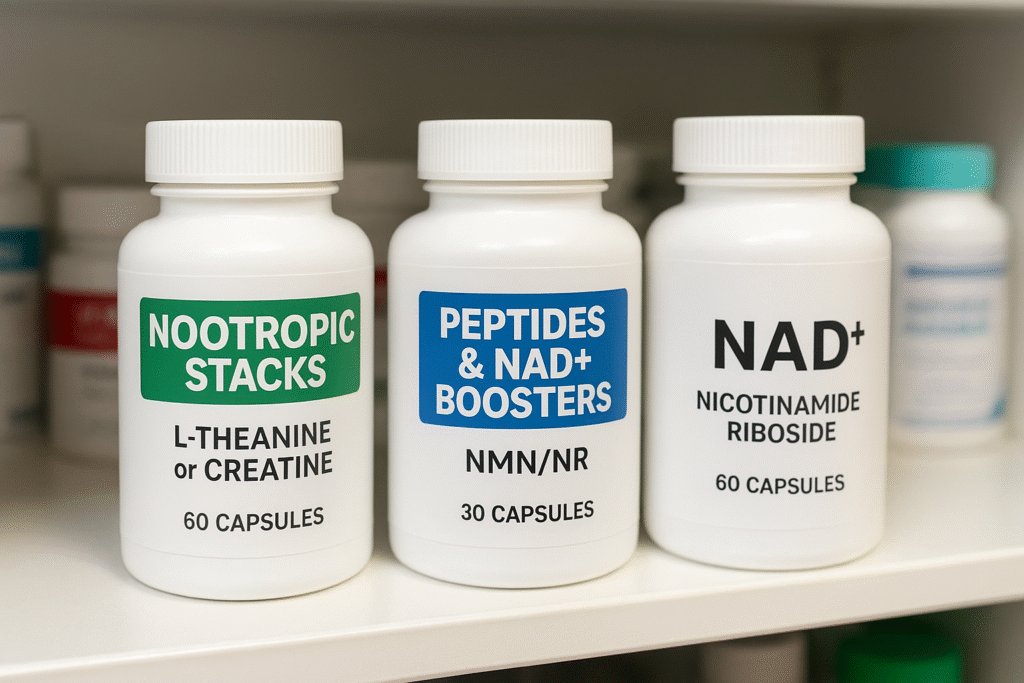
- Nootropic stacks: Compounds like L-Theanine or Creatine are well-studied; multi-ingredient “smart blends” vary.
- Peptides & NAD⁺ boosters (NMN/NR): Early studies suggest potential for longevity, but long-term effects remain under review.
- Hyperbaric Oxygen Therapy (HBOT): Used by some athletes for recovery; more data needed for general wellness.
Approach new frontiers with curiosity and skepticism—science always evolves.
How the Pros Use Biohacking
Elite Athletes
Modern pros rely on data more than grind. Entire NBA and NFL teams now monitor HRV and sleep readiness through WHOOP or Oura dashboards to personalize training loads.
Recovery tools like NormaTec compression boots and Theraguns are standard issue in most locker rooms.
Hollywood & High Performers
Celebrities adopt red-light therapy, IV vitamin drips, and intermittent fasting to sustain energy on demanding schedules. The principle is the same: measure, recover, optimize.
Longevity: The True Aim of Biohacking
The goal isn’t immortality—it’s healthspan: living vibrantly and independently for as long as possible.
Dr. Peter Attia calls it “compressing morbidity”—pushing the inevitable decline of health into the smallest, latest part of life and in turn having more time to enjoy your life with friends and family deep into your 80s
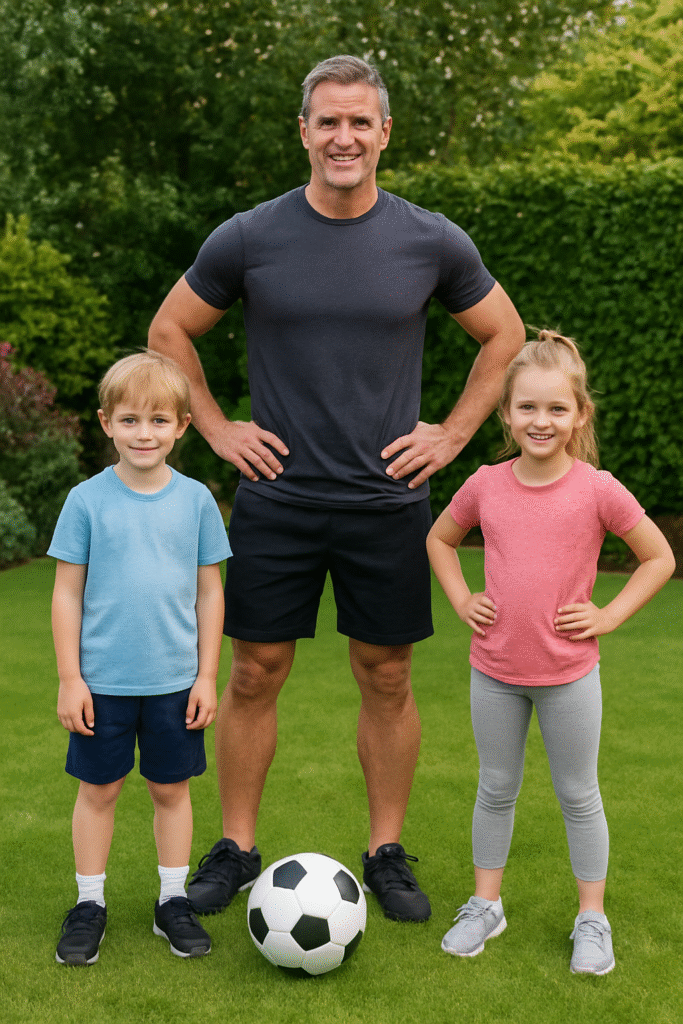
By combining foundational habits (sleep, nutrition, movement) with evidence-based technology, you’re investing in decades of vitality rather than years of survival.
Final Thoughts: Your Biology Is Waiting for New Instructions
Start small. Measure your sleep, experiment with light exposure, and adjust one variable at a time.
As neuroscientist Dr. Andrew Huberman often says, “The body is a system—change one input and the entire system adapts.”
Biohacking is simply the art of steering that adaptation in your favor.
Your body is the most advanced machine on Earth. It’s time to update your operating system.